

Population Size
-
- West Asia has an estimated population of 460 million people (2024).
- The largest country by population in the region is Egypt with over 109 million people.
Oil Reserves
- West Asia holds approximately 48% of the world’s proven oil reserves.
- Saudi Arabia alone holds around 17% of global oil reserves, with about 266 billion barrels of proven reserves.
World’s Tallest Building
- The Burj Khalifa in Dubai, UAE, is the tallest building in the world at 828 meters (2,717 feet) with 163 floors.
Religious Significance
- Islam, which originated in the Middle East, is practiced by approximately 94% of the region’s population.
- Over 1.9 billion Muslims globally consider Mecca in Saudi Arabia the holiest city in Islam.
- The annual Hajj pilgrimage to Mecca in Saudi Arabia attracts over 2 million pilgrims from around the world every year.
Largest Desert
- The Rub’ al Khali (Empty Quarter) in Saudi Arabia is the largest continuous sand desert in the world, covering an area of 650,000 square kilometers (250,000 square miles).
GDP
- The combined GDP of West Asia is approximately $4.0 to $5.0 trillion (2023 estimates).
- Saudi Arabia, Turkey, and the UAE are the largest economies in the region, with Saudi Arabia leading at $1.06 trillion.
- The richest country per capita in the region is Qatar, with a GDP per capita of around $60,000.
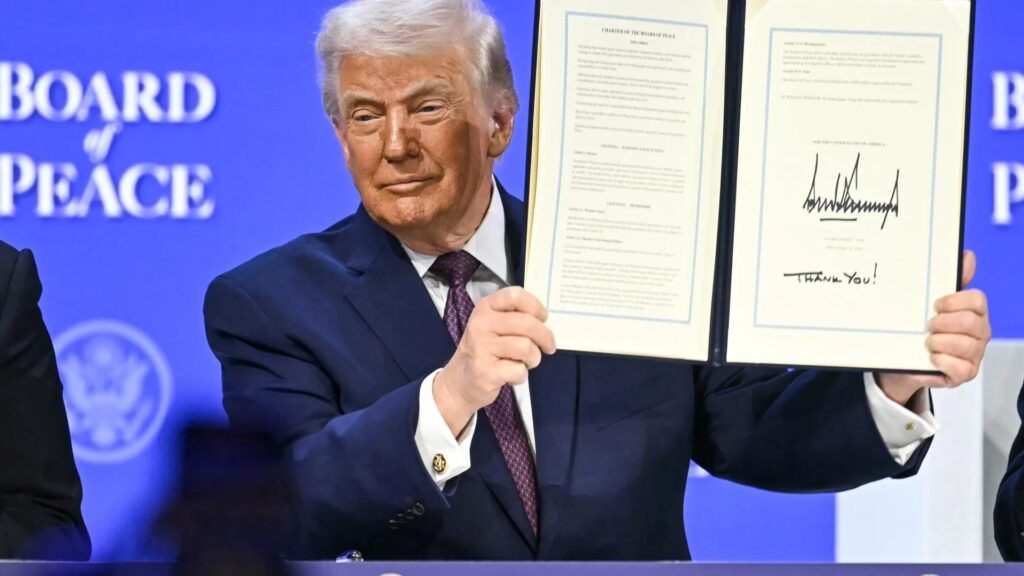
India and the Challenge of the ‘Board of Peace’
For India, the invitation to join this body as a founding participant arrives at a moment of strategic strain, compelling New Delhi to navigate an increasingly narrow corridor between its doctrine of strategic autonomy and the pragmatic necessity of stabilising a brittle relationship with Washington.

The Hedging Powers: India and UAE Architect a New Regional Order
As regional fault lines widen, the Modi-MBZ summit cements a partnership designed to withstand volatility through defence interoperability, nuclear cooperation, and digital sovereignty.

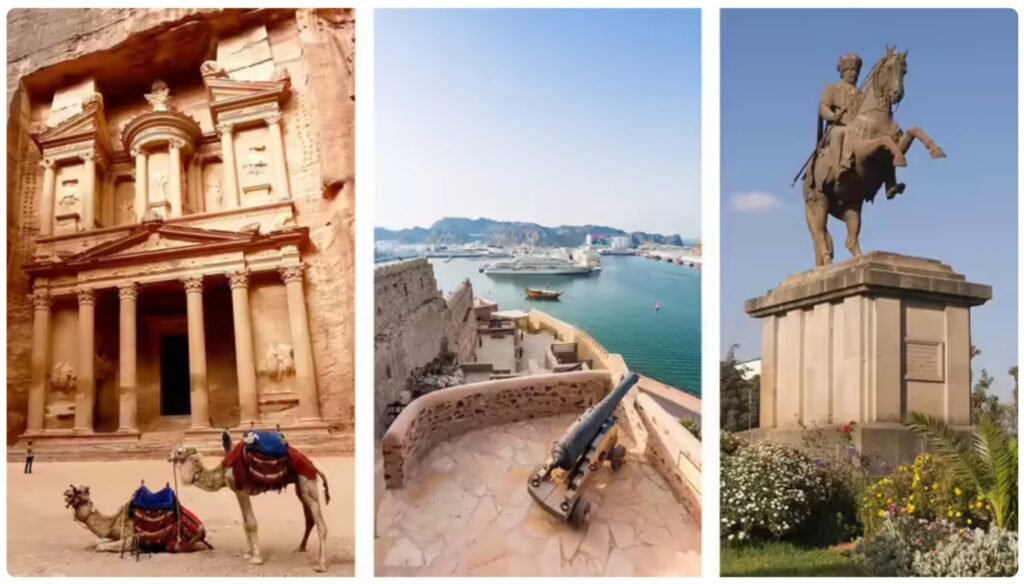
Modi’s West Asia tour aims at strategic hedging
PM Modi’s three-nation tour to Jordan, Ethiopia and Oman, which began yesterday, comes amid geopolitical churn in West Asia, marked by a fragile ceasefire in Gaza, the fall of the Assad regime in Syria, and the crystallisation of a new Saudi-Pakistan-US alignment, offering a window into India’s evolving role as a strategically autonomous middle power.
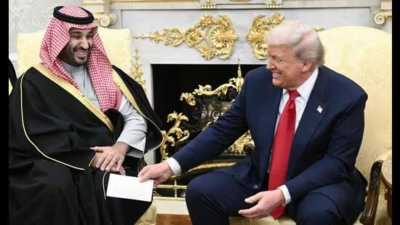
After US-Saudi pact, new West Asia in the making
In an era of great-power competition and Middle Eastern volatility, the visit underscores Riyadh’s enduring centrality to Washington’s regional architecture. Geopolitically, the summit represents a robust reaffirmation of the U.S.-Saudi axis as the lynchpin for containing Iranian revisionism and countering Beijing’s inroads in the Gulf.
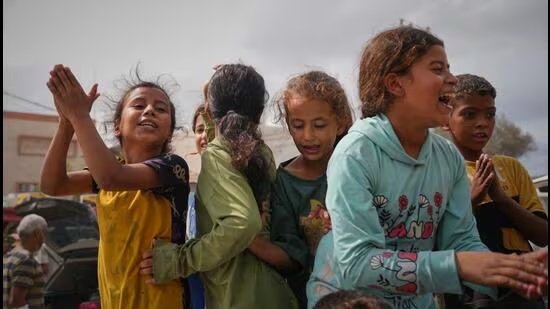
Summit that staunched bloodshed in West Asia
The Sharm el-Sheikh summit represents a watershed in Middle East diplomacy, but its legacy is profoundly ambiguous. Co-chaired by the US and Egypt, the gathering of world leaders succeeded in brokering an end to a devastating two-year war in Gaza, securing a ceasefire, the release of all hostages and prisoners, and an unprecedented international commitment to reconstruction and oversight.
Stay in touch
Subscribe to our blog for insightful updates, expert analyses, and in-depth stories on politics, culture, economics and innovation across West Asia. Don’t miss out—be the first to know what’s shaping the region today!