

Population Size
- West Asia has an estimated population of 460 million people (2024).
- The largest country by population in the region is Egypt with over 109 million people.
Oil Reserves
- West Asia holds approximately 48% of the world’s proven oil reserves.
- Saudi Arabia alone holds around 17% of global oil reserves, with about 266 billion barrels of proven reserves.
World’s Tallest Building
- The Burj Khalifa in Dubai, UAE, is the tallest building in the world at 828 meters (2,717 feet) with 163 floors.
Religious Significance
- Islam, which originated in the Middle East, is practiced by approximately 94% of the region’s population.
- Over 1.9 billion Muslims globally consider Mecca in Saudi Arabia the holiest city in Islam.
- The annual Hajj pilgrimage to Mecca in Saudi Arabia attracts over 2 million pilgrims from around the world every year.
Largest Desert
- The Rub’ al Khali (Empty Quarter) in Saudi Arabia is the largest continuous sand desert in the world, covering an area of 650,000 square kilometers (250,000 square miles).
GDP
- The combined GDP of West Asia is approximately $4.0 to $5.0 trillion (2023 estimates).
- Saudi Arabia, Turkey, and the UAE are the largest economies in the region, with Saudi Arabia leading at $1.06 trillion.
- The richest country per capita in the region is Qatar, with a GDP per capita of around $60,000.
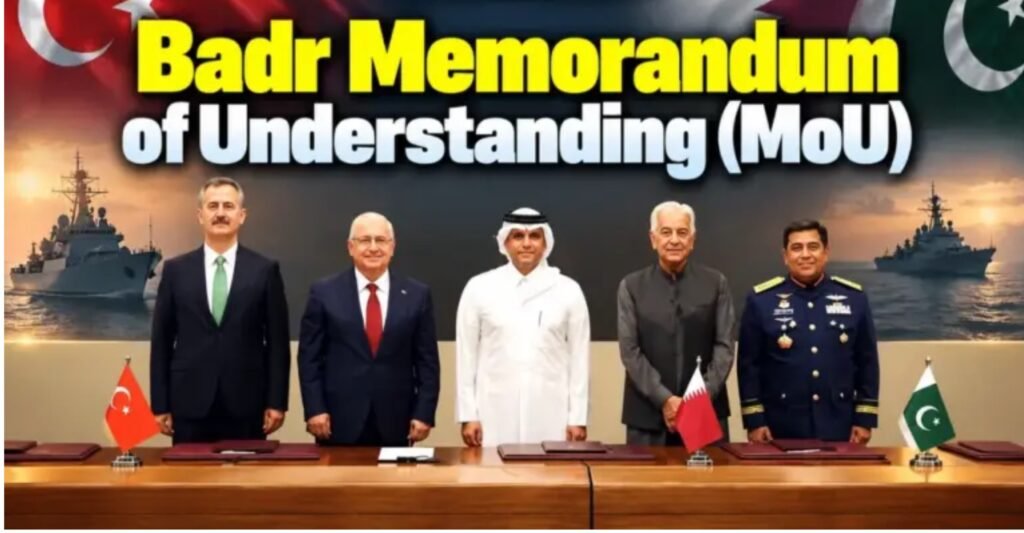
The Badr Memorandum and the New Defence Geometry Around India
Badr is less an “Islamic NATO” than a potentially important defence-industrial coalition. Yet, alongside the Türkiye–Saudi Arabia–Pakistan pact, it could strengthen Pakistan’s strategic position and signal a wider search for security autonomy across the Muslim world. What are the implications for India?
 Ausaf Sayeed | Oct 23, 2026 | 5 min read
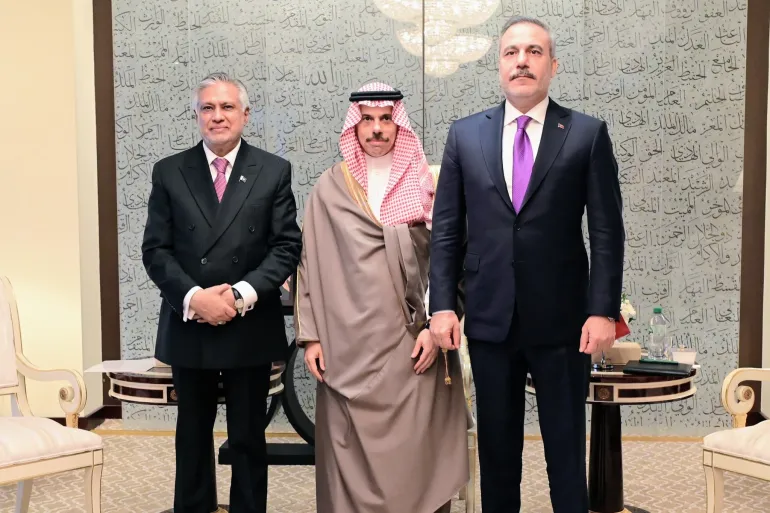
Saudi Arabia’s New Security Arithmetic in the Red Sea
Saudi Arabia’s response to the Houthi challenge is revealing a new regional security architecture. With Washington reluctant to re-enter the Yemen war, Riyadh is drawing on the UK, France, Türkiye, Pakistan and wider international support to protect its territory, energy infrastructure and Red Sea navigation.
Ausaf Sayeed | Sep 27, 2026 | 5 min read
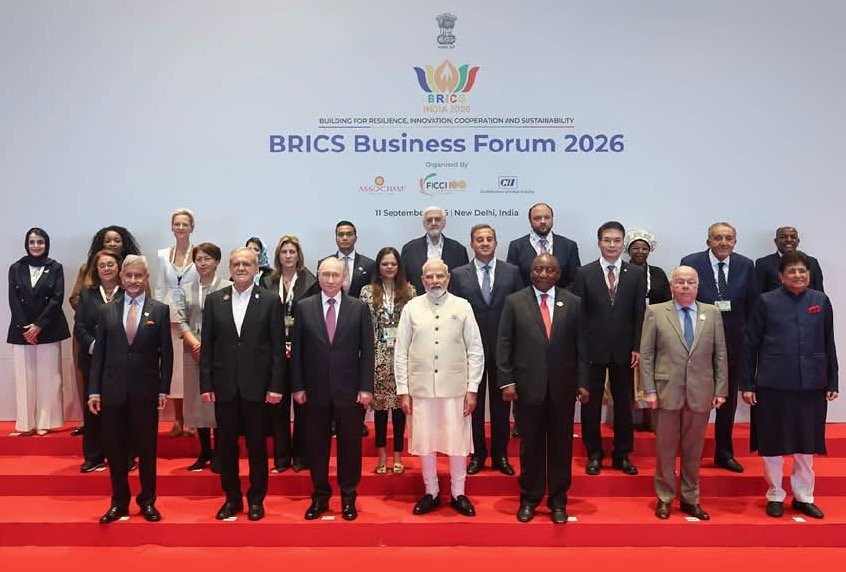
How India Steered a Divided BRICS to Consensus
India steered a divided BRICS to a joint declaration. That is a diplomatic gain—but cautious language on war and global reform reveals the limits of consensus.
Ausaf Sayeed | Sep 13, 2026 | 5 min read
India’s BRICS Moment: Managing a Multipolar Coalition
India’s guiding principle is strategic autonomy. BRICS should broaden its diplomatic and economic options, strengthen the voice of developing countries, and support reform of international institutions. It should neither become an anti-Western coalition nor replace one hierarchy with another. That requires India to align its development agenda with a workable political understanding among members.
Ausaf Sayeed | Sep 11, 2026 | 5 min read
India and BRICS: The Case for Strategic Optionality
As India prepares to host the 18th BRICS Summit, the real test is not rhetoric about a new world order, but whether BRICS can deliver practical choices: development finance, payment options, resilient supply chains and greater institutional voice—without becoming another geopolitical bloc.
Ausaf Sayeed | Sep 7, 2026 | 5 min read

Stay in touch
Subscribe to our blog for insightful updates, expert analyses, and in-depth stories on politics, culture, economics and innovation across West Asia. Don’t miss out—be the first to know what’s shaping the region today!