

Population Size
- West Asia has an estimated population of 460 million people (2024).
- The largest country by population in the region is Egypt with over 109 million people.
Oil Reserves
- West Asia holds approximately 48% of the world’s proven oil reserves.
- Saudi Arabia alone holds around 17% of global oil reserves, with about 266 billion barrels of proven reserves.
World’s Tallest Building
- The Burj Khalifa in Dubai, UAE, is the tallest building in the world at 828 meters (2,717 feet) with 163 floors.
Religious Significance
- Islam, which originated in the Middle East, is practiced by approximately 94% of the region’s population.
- Over 1.9 billion Muslims globally consider Mecca in Saudi Arabia the holiest city in Islam.
- The annual Hajj pilgrimage to Mecca in Saudi Arabia attracts over 2 million pilgrims from around the world every year.
Largest Desert
- The Rub’ al Khali (Empty Quarter) in Saudi Arabia is the largest continuous sand desert in the world, covering an area of 650,000 square kilometers (250,000 square miles).
GDP
- The combined GDP of West Asia is approximately $4.0 to $5.0 trillion (2023 estimates).
- Saudi Arabia, Turkey, and the UAE are the largest economies in the region, with Saudi Arabia leading at $1.06 trillion.
- The richest country per capita in the region is Qatar, with a GDP per capita of around $60,000.
Trump’s Gaza peace plan: Searching for solutions
Donald Trump’s Gaza Peace Plan has transitioned from a political concept to a tense, high-stakes negotiation marked by fragile progress and deep mistrust. Following Hamas’s conditional acceptance to release hostages and relinquish power, indirect talks in Sharm el-Sheikh—mediated by Egypt and Qatar—seek to operationalise the plan’s first phase involving ceasefire terms, prisoner exchanges, and security guarantees. Despite temporary optimism, no formal ceasefire, large-scale exchange, or public agreement has materialised, underscoring the plan’s uncertain prospects.
 Ausaf Sayeed | Oct 6, 2025 | 5 min read
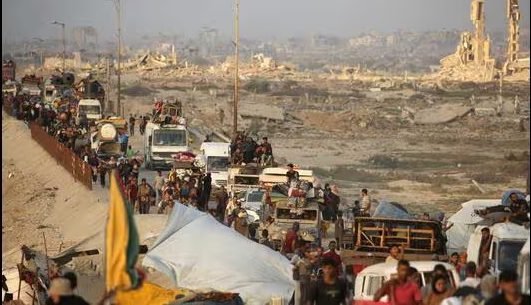
The World Wants the Gaza War to End Now
The unprecedented global consensus, demanding an immediate end to the protracted Gaza War, stems from a convergence of powerful factors. Driven by moral outrage over a severe humanitarian catastrophe, this global will is manifesting through Israel’s deepening diplomatic isolation, marked by near-unanimous UN votes and a wave of statehood recognitions for a Palestinian State by key Western nations. The protracted Israel-Palestine conflict has fractured the traditional US-led security architecture in the Middle East, rendering old frameworks like the Abraham Accords defunct and spurring new, albeit contentious, peace initiatives. The convergence of these diplomatic, public, and strategic forces represents a fundamental shift from mere conflict management to an urgent, collective demand for the end of the Gaza War and a sustainable resolution based on a two-state solution.
Ausaf Sayeed | Sep 26, 2025 | 5 min read
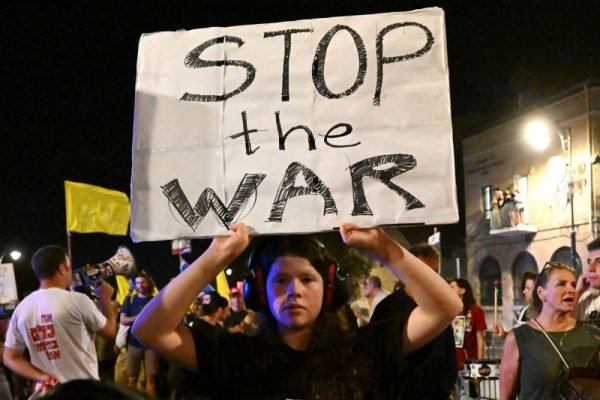
Defence and offence on the West Asia chessboard
The Strategic Mutual Defence Agreement signed between Saudi Arabia and Pakistan on September 17, 2025, marks a major turning point in West Asian geopolitics, formalising a decades-long strategic alignment and creating new ripples that could alter regional security architectures and challenge India’s strategic positioning. This unprecedented pact establishes a NATO-style mutual defence commitment, declaring that “any aggression against either country shall be considered an aggression against both.”
Ausaf Sayeed | Sep 22, 2025 | 5 min read
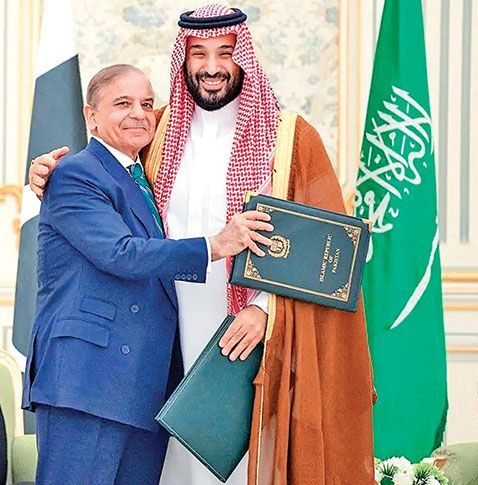
Israeli Airstrikes in Doha: Geopolitical Ramifications
On September 9, 2025, Israel executed an unprecedented airstrike codenamed Pisgat HaEsh (“Summit of Fire”) in Doha’s Legtaifiya district, marking the first confirmed Israeli military action on Qatari soil. The operation involved 15 Israeli fighter jets deploying over 10 munitions in rapid succession, targeting a residential compound housing the Hamas political bureau headquarters. Despite the scale of the operation, senior Hamas leaders, including chief negotiator Khalil al-Hayya, survived, though six individuals perished: five Hamas members, including al-Hayya’s son Humam and office director Jihad Abu Labal, along with a Qatari internal security officer.
Ausaf Sayeed | Sep 10, 2025 | 6 min read
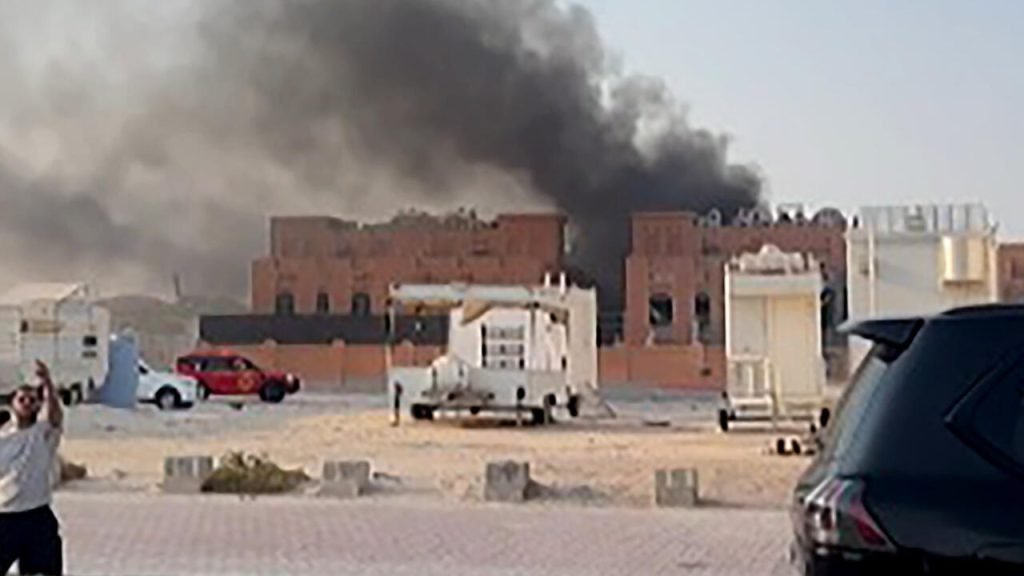
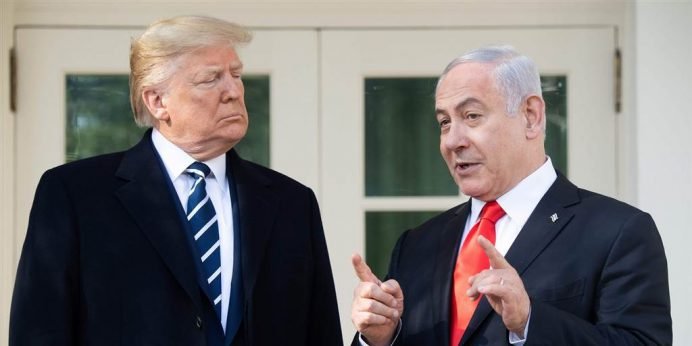
Trump, Netanyahu: A Widening Gulf in Policy
While the broader U.S.-Israel alliance remains intact, the collision of Trump’s transactional “America First” doctrine with Netanyahu’s inflexible security agenda has created unprecedented tensions, particularly regarding Iran, Gaza, regional diplomacy, and economic relations.
Ausaf Sayeed | Jun 4, 2025 | 6 min read
Stay in touch
Subscribe to our blog for insightful updates, expert analyses, and in-depth stories on politics, culture, economics and innovation across West Asia. Don’t miss out—be the first to know what’s shaping the region today!