

Population Size
-
- West Asia has an estimated population of 460 million people (2024).
- The largest country by population in the region is Egypt with over 109 million people.
Oil Reserves
- West Asia holds approximately 48% of the world’s proven oil reserves.
- Saudi Arabia alone holds around 17% of global oil reserves, with about 266 billion barrels of proven reserves.
World’s Tallest Building
- The Burj Khalifa in Dubai, UAE, is the tallest building in the world at 828 meters (2,717 feet) with 163 floors.
Religious Significance
- Islam, which originated in the Middle East, is practiced by approximately 94% of the region’s population.
- Over 1.9 billion Muslims globally consider Mecca in Saudi Arabia the holiest city in Islam.
- The annual Hajj pilgrimage to Mecca in Saudi Arabia attracts over 2 million pilgrims from around the world every year.
Largest Desert
- The Rub’ al Khali (Empty Quarter) in Saudi Arabia is the largest continuous sand desert in the world, covering an area of 650,000 square kilometers (250,000 square miles).
GDP
- The combined GDP of West Asia is approximately $4.0 to $5.0 trillion (2023 estimates).
- Saudi Arabia, Turkey, and the UAE are the largest economies in the region, with Saudi Arabia leading at $1.06 trillion.
- The richest country per capita in the region is Qatar, with a GDP per capita of around $60,000.
Arabs of Indian Origin – A Forgotten Diaspora
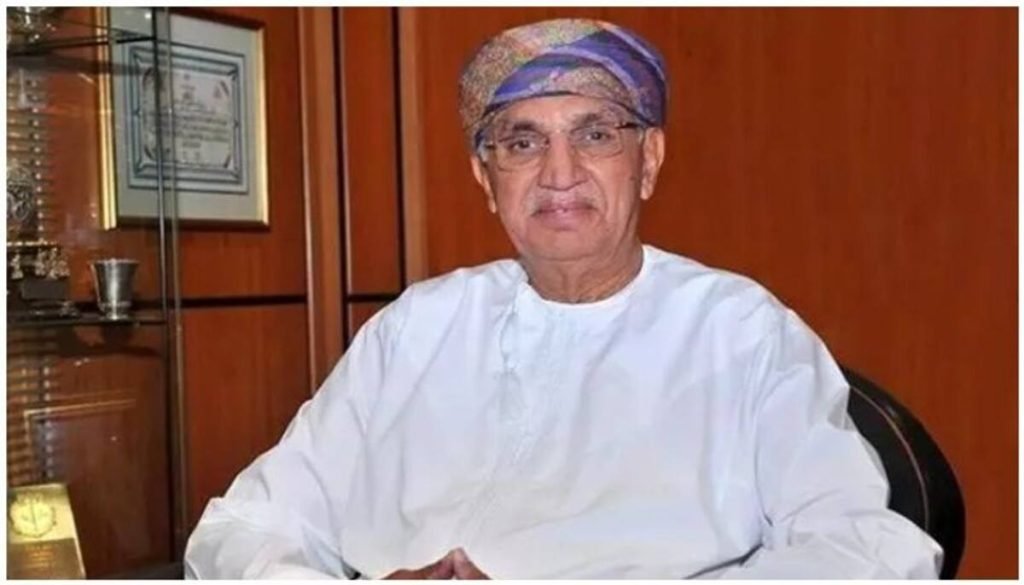
In the mid-19th century, several Indian Muslim scholars and political leaders fled to the Hejaz region to escape British persecution for their participation in the 1857 revolt, often referred to as the ‘First War of Independence.’ Common surnames in Saudi Arabia for people of Indian origin include Al-Hindi / Al-Hind, Dehlavi, Malabari, Siddique, Kidwai, Faruqi, and Surati. While many non-resident Indians (NRIs) from Gulf countries have regularly received the Pravasi Bharatiya Samman award, only a handful of Arab nationals of Indian origin have been honoured with it.

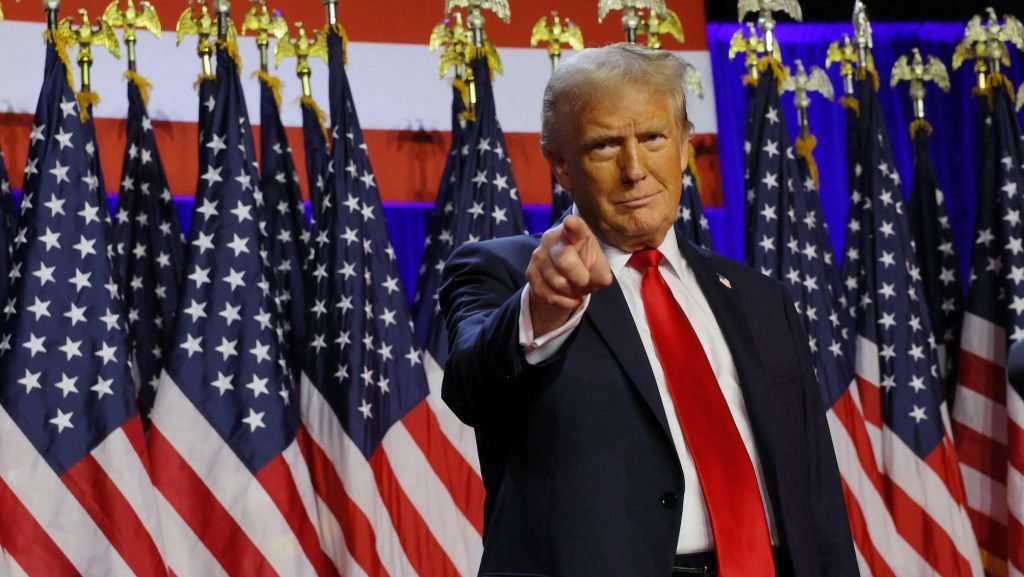
Donald Trump’s Victory: Implications for the Middle East
Donald Trump’s return to the White House as the 47th President of the United States is poised to reshape America’s approach to the Middle East significantly. His victory has elicited a range of reactions across the region, from enthusiastic support to cautious concern, reflecting the complex dynamics at play in this volatile region.
The Mukaab – The Saudi Cube project
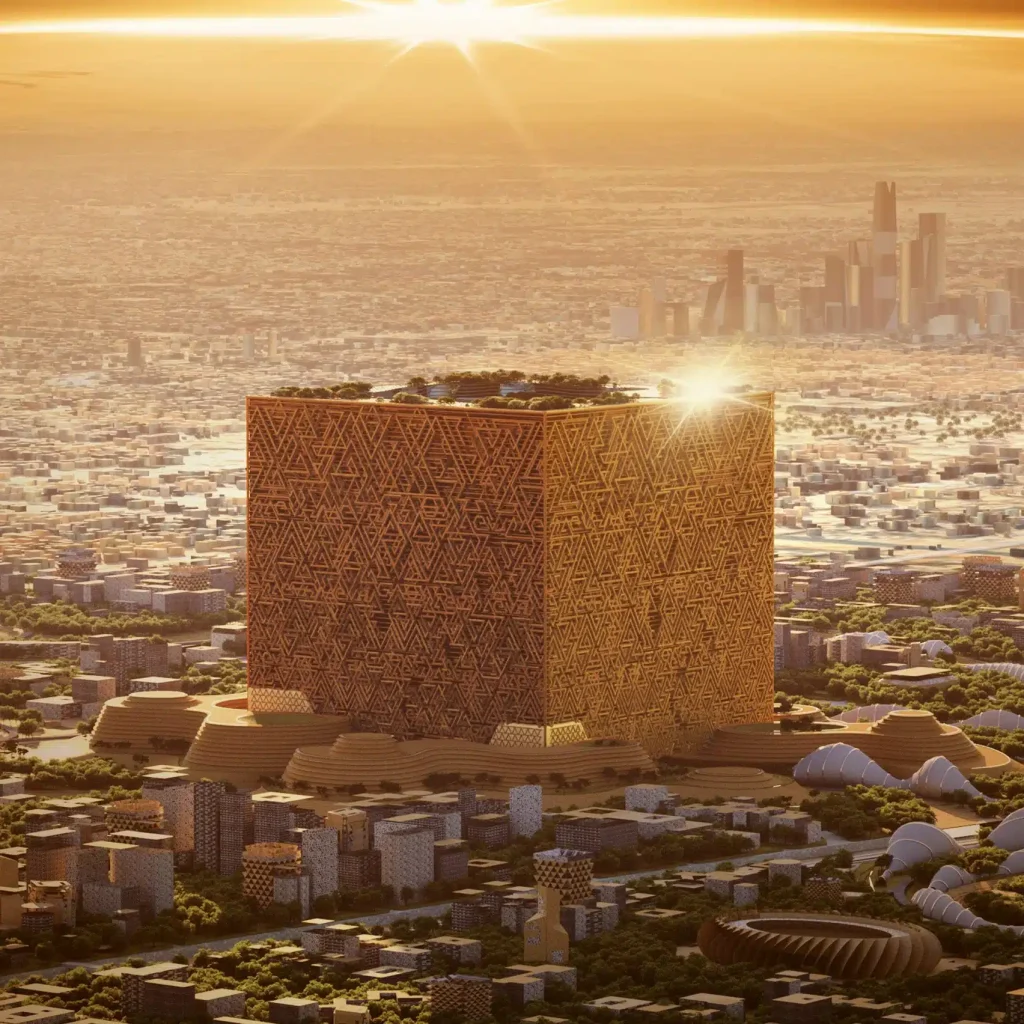
The Saudi Cube project, known as "The Mukaab," is a central part of the New Murabba district in Riyadh, set to be one of the world’s largest single-built structures. Upon completion by 2030, the project will contribute significantly to Saudi Arabia's Vision 2030 economic diversification, generating approximately SAR 180 billion for non-oil GDP and creating over 300,000 jobs
Velayat-e Faqih: A Foundational Concept in Iran’s Governance and Regional Influence
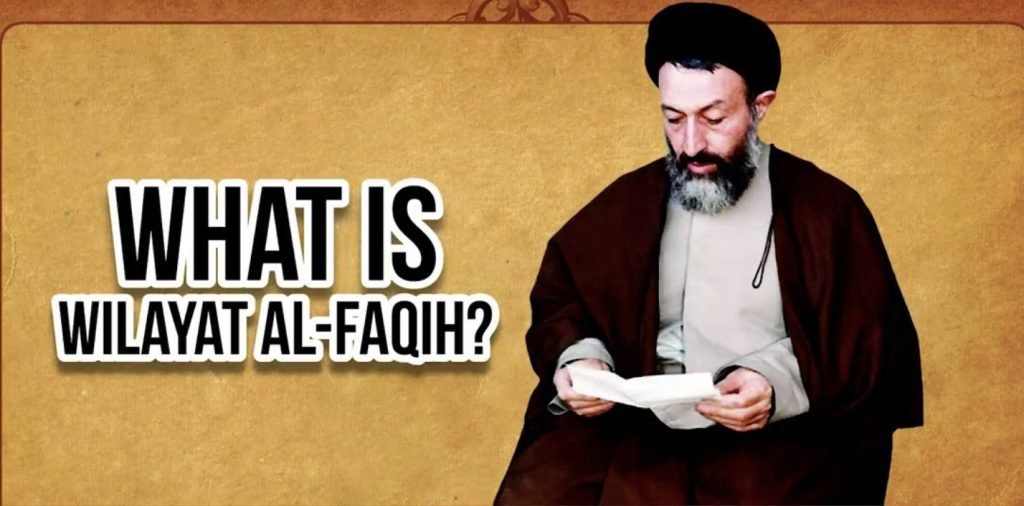
At its core, Velayat-e Faqih transfers political and religious authority to the Shia clergy, making all key state decisions subject to approval by a supreme clerical leader, the Vali-e Faqih. This concept is rooted in Shia Islam but was expanded by Khomeini to apply to governance of the entire state.
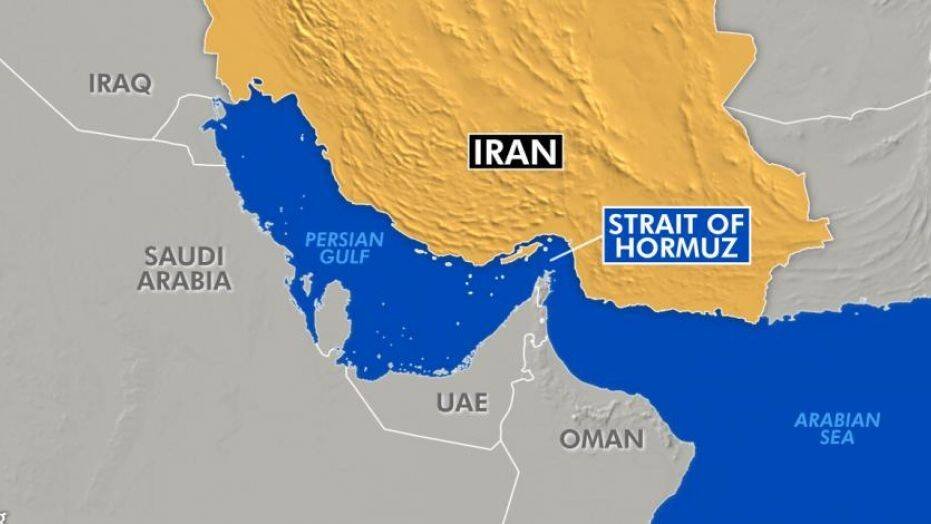
The Strait of Hormuz: A Critical Chokepoint for Global Energy Security
The Strait of Hormuz's strategic importance has made it a focal point of geopolitical tensions, particularly between Iran and Western powers. Iran's geographic control over the northern part of the strait allows it to monitor and potentially influence the traffic passing through this vital passage. Over the years, threats of disruption have arisen due to political tensions, military confrontations, and sanctions on Iran related to its nuclear program.
Stay in touch
Subscribe to our blog for insightful updates, expert analyses, and in-depth stories on politics, culture, economics and innovation across West Asia. Don’t miss out—be the first to know what’s shaping the region today!