

Population Size
-
- West Asia has an estimated population of 460 million people (2024).
- The largest country by population in the region is Egypt with over 109 million people.
Oil Reserves
- West Asia holds approximately 48% of the world’s proven oil reserves.
- Saudi Arabia alone holds around 17% of global oil reserves, with about 266 billion barrels of proven reserves.
World’s Tallest Building
- The Burj Khalifa in Dubai, UAE, is the tallest building in the world at 828 meters (2,717 feet) with 163 floors.
Religious Significance
- Islam, which originated in the Middle East, is practiced by approximately 94% of the region’s population.
- Over 1.9 billion Muslims globally consider Mecca in Saudi Arabia the holiest city in Islam.
- The annual Hajj pilgrimage to Mecca in Saudi Arabia attracts over 2 million pilgrims from around the world every year.
Largest Desert
- The Rub’ al Khali (Empty Quarter) in Saudi Arabia is the largest continuous sand desert in the world, covering an area of 650,000 square kilometers (250,000 square miles).
GDP
- The combined GDP of West Asia is approximately $4.0 to $5.0 trillion (2023 estimates).
- Saudi Arabia, Turkey, and the UAE are the largest economies in the region, with Saudi Arabia leading at $1.06 trillion.
- The richest country per capita in the region is Qatar, with a GDP per capita of around $60,000.
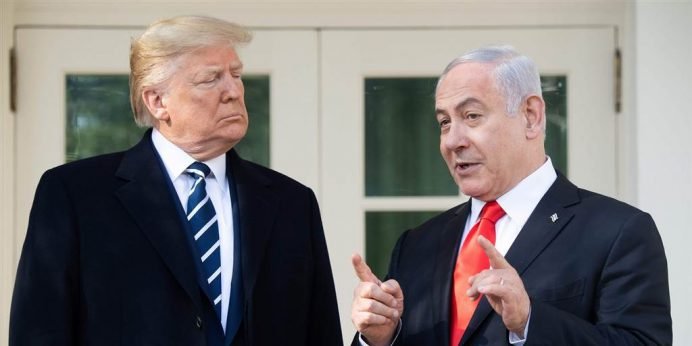
Trump, Netanyahu: A Widening Gulf in Policy
While the broader U.S.-Israel alliance remains intact, the collision of Trump’s transactional “America First” doctrine with Netanyahu’s inflexible security agenda has created unprecedented tensions, particularly regarding Iran, Gaza, regional diplomacy, and economic relations.

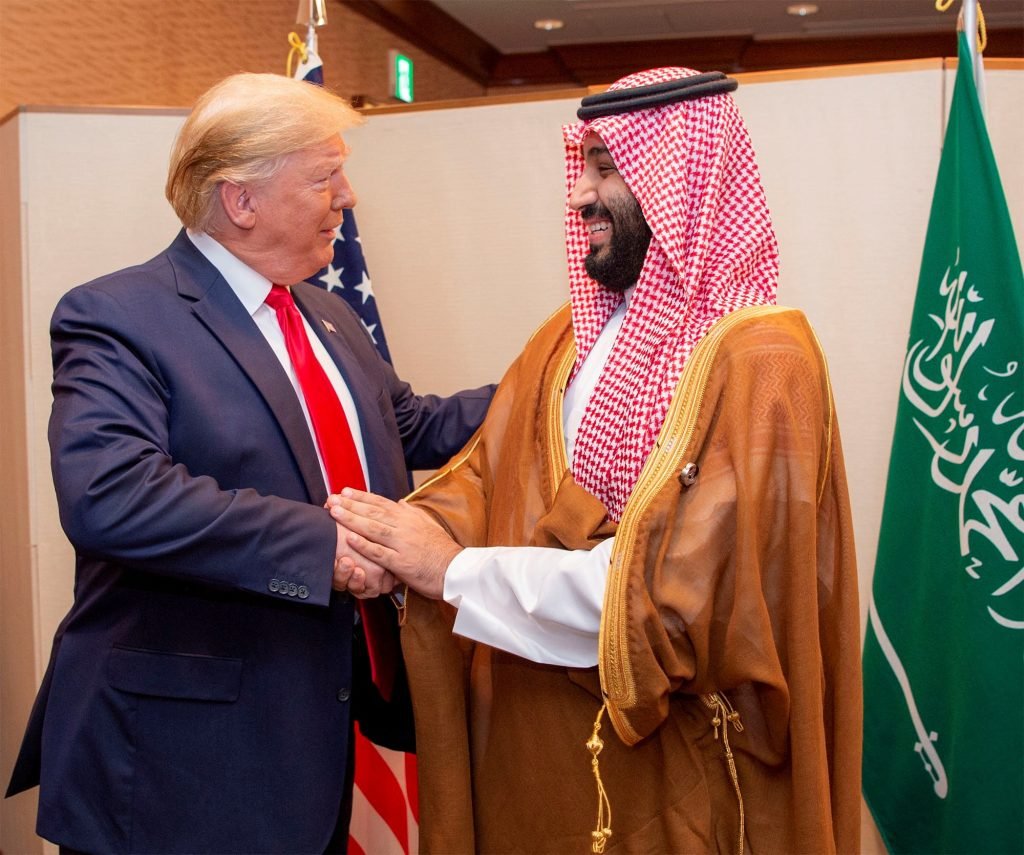
President Trump Undertakes High-Stakes Middle East Trip
A primary objective of the trip aligns with the “America First” doctrine: securing significant economic achievements. The administration seeks multi-billion-dollar investment commitments from the wealthy Gulf monarchies to bolster the U.S. economy. Press Secretary Karoline Leavitt noted that Trump aims to usher in a “golden age” of U.S.-Gulf relations founded on commerce and “peace through strength.”
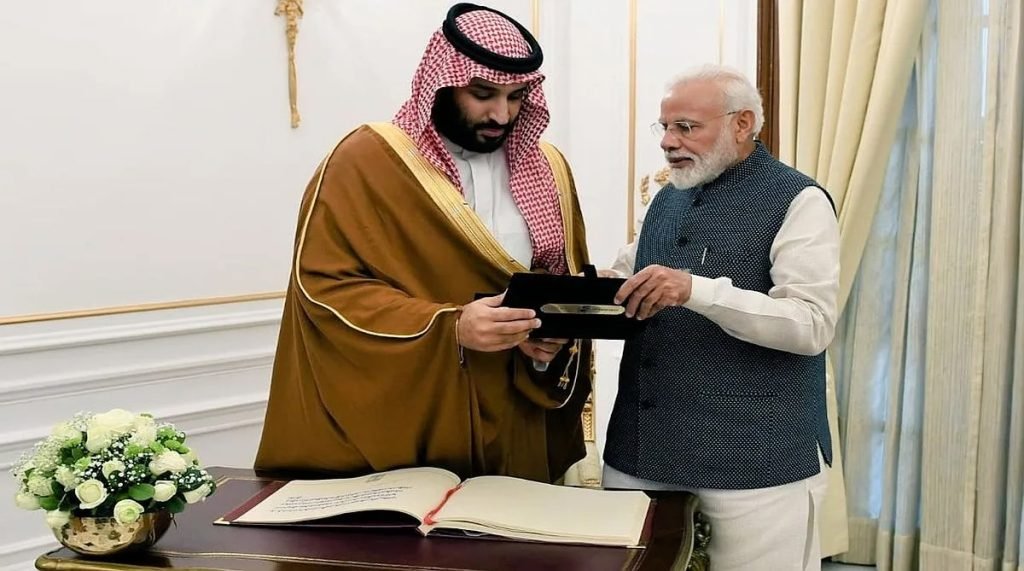
India and Saudi Arabia: Charting a Bold New Trajectory Together
Modi’s visit takes place against a complex regional backdrop in West Asia, which is grappling with ongoing conflicts, such as those in Gaza and Yemen and the resurgence of extremist groups, posing regional and global security threats.
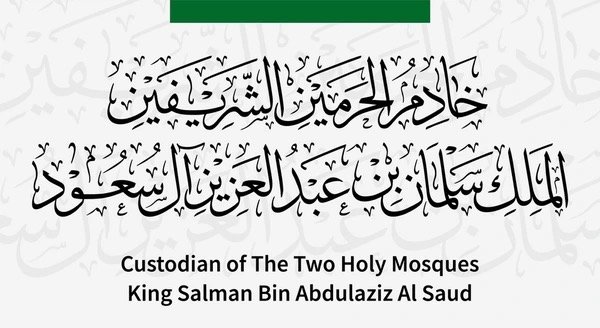
History of the Title “Custodian of the Two Holy Mosques”
The title “Custodian of the Two Holy Mosques”, which translates to “Servant of the Two Noble Sanctuaries” or “Protector of the Two Holy Cities,” carries profound religious and political significance, symbolising stewardship over Islam’s two holiest sites. In the modern era, this designation has transcended ceremonial symbolism to become a strategic asset for Saudi Arabia in regional power struggles, particularly as rivals such as Turkey and Iran vie for influence within the Islamic world.
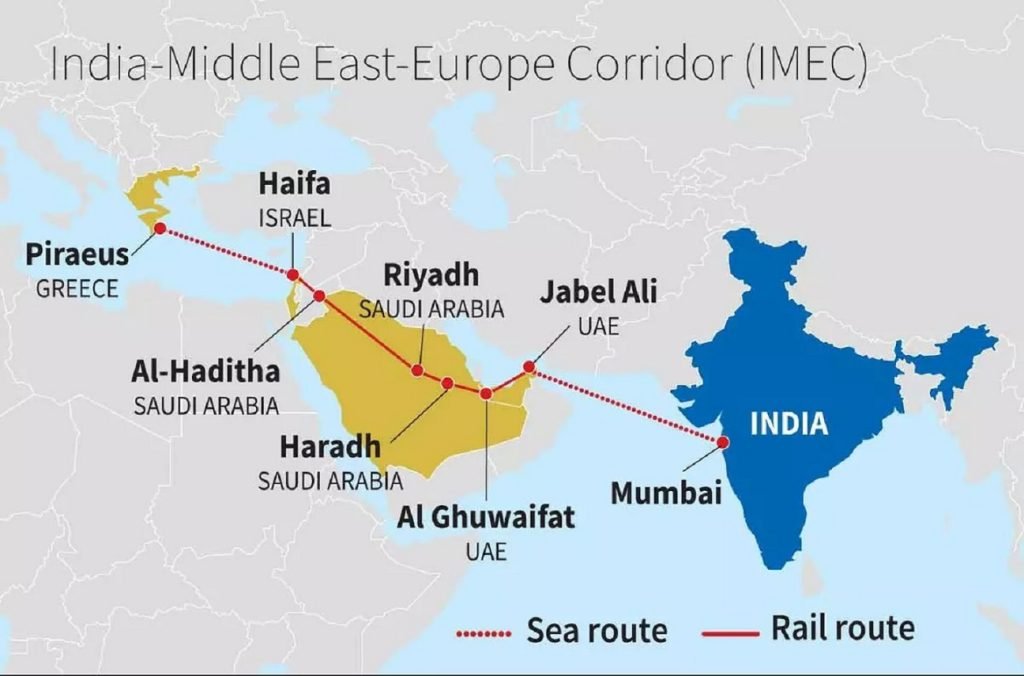
Explained: India-Middle East-Europe Economic Corridor (IMEC)
The IMEC is a planned transcontinental infrastructure network involving railways, shipping lanes, and digital and energy corridors connecting India to Europe through the Middle East. It is poised to become a vital economic and geopolitical initiative fostering regional integration and sustainable development.
Stay in touch
Subscribe to our blog for insightful updates, expert analyses, and in-depth stories on politics, culture, economics and innovation across West Asia. Don’t miss out—be the first to know what’s shaping the region today!